


Saudi Arabia pledges financial backing for Pakistan
 Rabbia Zafar
|
2 weeks ago
Rabbia Zafar
|
2 weeks ago

Saudi Arabia has assured Pakistan of full financial support as Islamabad faces mounting external pressures, including nearly $5 billion in debt repayments and rising import costs linked to ongoing regional tensions.
The assurance came during a meeting between Prime Minister Shehbaz Sharif and Saudi Finance Minister Mohammed bin Abdullah Al-Jadaan in Islamabad. Officials said the visiting minister reaffirmed Riyadh’s commitment to supporting Pakistan’s economic stability and expressed confidence in its diplomatic role in facilitating dialogue between the United States and Iran.
While no formal agreements were finalised during the meeting, Pakistani authorities had earlier requested at least $5 billion in additional financial assistance, along with an extension of the existing oil financing facility worth $1.2 billion annually. The current oil facility is set to expire this month, and Islamabad is seeking a five-year extension to maintain external account stability.
Not all motorcyclists eligible for fuel subsidy, says finance advisor
Pakistan is also relying on a $5 billion Saudi deposit already held with the central bank and is exploring options to increase this amount to strengthen foreign exchange reserves. With approximately $4.8 billion in repayments due, including significant liabilities to the United Arab Emirates, reserves could face pressure without fresh inflows.
Finance Minister Muhammad Aurangzeb has been actively engaging with Saudi counterparts to secure support ahead of international financial meetings. The discussions highlight Pakistan’s urgent need for external financing to manage economic challenges and maintain reserve levels.
Prime Minister Sharif expressed appreciation for Saudi Arabia’s longstanding support, particularly under the leadership of Mohammed bin Salman, and reaffirmed Pakistan’s commitment to expanding bilateral cooperation in trade, investment, and development. The meeting underscored the enduring strategic partnership between the two countries during a period of economic uncertainty.
Pope Leo condemns killings in Iran and civilian deaths in war, responds to Trump criticism
Israel and Lebanon extend ceasefire as US-Iran tensions and Strait of Hormuz crisis deepen

Pakistan to offer electric bikes to government employees under new EV push

CCTV footage surfaces in Lahore triple child murder case as mother arrested
Security forces kill 22 terrorists in Khyber IBO, 10-year-old child martyred
Somali pirates seize oil tanker near Somalia coast, 11 Pakistani crew on board
Iran shifts to fast-boat tactics as maritime tensions escalate near Strait of Hormuz



42 minutes ago
49 minutes ago

57 minutes ago

1 hour ago
1 hour ago

2 hours ago
- Israel and Lebanon have agreed to extend their ceasefire for three weeks following talks held at the White House, in…
- Tensions in the Gulf region have escalated after reports that Iran has increasingly relied on fast-attack boats to intercept commercial…
- US President Donald Trump has warned that the United States could impose heavy tariffs on the United Kingdom if it…
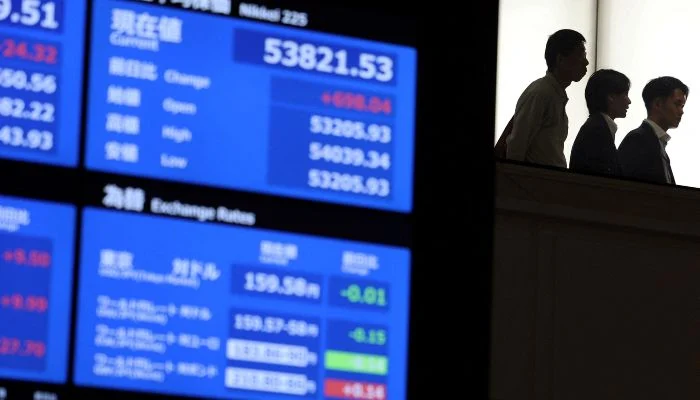
- Asian markets showed a mixed performance on Friday while oil prices continued to rise, as uncertainty surrounding a fragile Middle…
- Federal health authorities have ordered strict nationwide enforcement of a ban on conventional disposable syringes and initiated a policy review…
 Pakistan’s second national anti-polio campaign of 2026 is continuing across the country, with efforts now in its sixth day as…
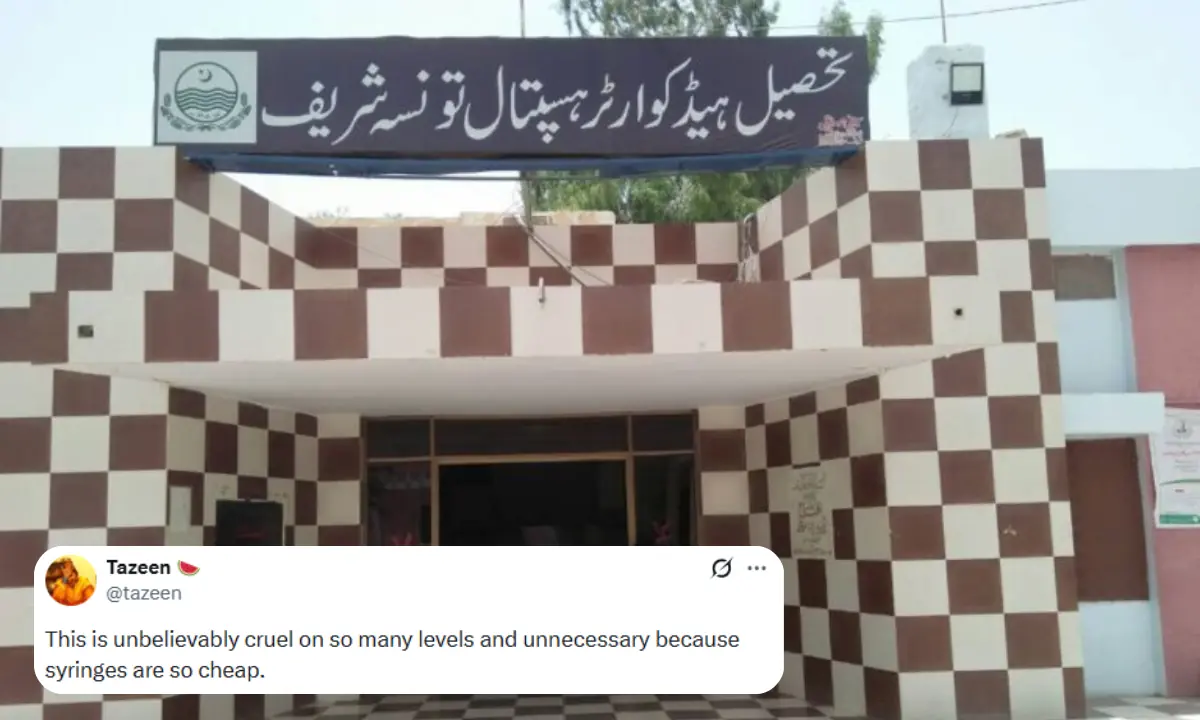
 A shocking report by BBC has triggered nationwide outrage in Pakistan after alleging severe medical malpractice at a Tehsil Headquarter…
 Pakistan’s second National Anti-Polio Campaign of 2026 is continuing across the country with full momentum, as health workers aim to…




- Pope Leo has strongly condemned the killing of protesters in…42 minutes ago
- Israel and Lebanon have agreed to extend their ceasefire for…49 minutes ago
- Prime Minister Shehbaz Sharif has announced a plan to provide…57 minutes ago
- New CCTV footage has emerged in the tragic case of…1 hour ago